

4.6

HVAC Tasks for Texas Homeowners To Ensure A Smooth Transition


Winter in Texas often feels mild compared to other parts of the country, but that does not mean your HVAC system gets a break. Sudden cold fronts, short heating cycles, and unpredictable temperature swings can put unexpected stress on equipment that spends most of the year focused on cooling. Without proper preparation, small HVAC issues can quickly turn into comfort problems or system failures when temperatures drop.
Many Texas homeowners assume winter HVAC care is not necessary, especially during warmer stretches. However, winter is a critical transition period for your system. It is the time when heating components are tested, airflow issues become more noticeable, and small maintenance needs can be addressed before spring cooling season arrives.
By completing a few essential winter HVAC tasks, you can protect your system from unnecessary wear, improve efficiency during cold snaps, and ensure a smooth transition into the heavy cooling months ahead. This blog walks Texas homeowners through the most important steps to keep their HVAC systems running reliably all winter long.
Why Texas Winters Are Hard on HVAC Systems
Texas winters may be shorter and milder than in northern states, but they can still be tough on HVAC systems. Rapid temperature changes and inconsistent usage patterns often create more strain than a steady cold season would.
Sudden Temperature Drops and Unpredictable Weather
Texas weather can shift quickly from warm afternoons to freezing overnight temperatures. These rapid changes force HVAC systems to switch modes frequently, which increases wear on components like:
-
Heat exchangers
-
Blower motors
-
Ignition systems
-
Heat pump reversing valves
Systems that are not properly maintained may struggle to respond when a sudden cold front arrives.
Systems Designed Primarily for Cooling Still Face Winter Stress
Most Texas HVAC systems are optimized for long cooling seasons. When heating components are used less frequently, issues can go unnoticed until the first cold snap. Problems such as dirty burners, faulty igniters, or restricted airflow often surface when the system is suddenly required to produce heat.
Short Heating Cycles Reduce Efficiency
During mild winter weather, HVAC systems tend to cycle on and off more frequently. These short cycles can:
-
Reduce energy efficiency
-
Increase mechanical wear
-
Prevent proper airflow balance
-
Make temperature control inconsistent
Short cycling also makes it harder for homeowners to recognize developing issues until the system is pushed harder.
Winter Neglect Can Impact Spring Performance
Skipping winter HVAC care does not just affect heating performance. Problems that develop during winter often carry over into spring, leading to inefficient cooling, higher energy bills, and unexpected breakdowns once temperatures rise.
Inspect and Replace Air Filters
Air filters play a critical role in HVAC performance year round, including during winter. Clean filters help maintain proper airflow, improve indoor air quality, and reduce strain on your heating system. Winter is an ideal time to inspect and replace filters, especially before the system switches back to heavy cooling use.
Why Winter Airflow Still Matters
Even though HVAC systems may run less often during mild winter weather, airflow remains essential. Restricted airflow can cause heating components to overheat, reduce system efficiency, and create uneven temperatures throughout the home.
How Dirty Filters Affect Heating Efficiency
Clogged filters force your HVAC system to work harder to push air through the ducts. This leads to:
-
Longer run times
-
Higher energy use
-
Reduced heating output
-
Increased wear on the blower motor
During sudden cold snaps, a dirty filter can prevent the system from warming the home effectively.
Recommended Filter Replacement Schedule
Most Texas homeowners should check their air filters every one to three months. Homes with pets, allergies, or high dust levels may need more frequent replacements. Replacing filters during winter helps ensure the system is ready for both cold weather and the upcoming cooling season.
Test Your Heating System Before a Cold Front
Waiting until freezing weather arrives to turn on your heating system can lead to unpleasant surprises. Testing your heater early gives you time to identify problems and schedule repairs before Texas experiences its next cold front.
Run a Full System Test Early
Before winter temperatures drop, set your thermostat to heating mode and allow the system to run through a full cycle. Pay attention to:
-
How quickly warm air reaches the vents
-
Whether the system maintains the set temperature
-
Any unusual sounds or odors
-
Frequent cycling on and off
Running the heater in advance helps uncover issues that may not be obvious during mild weather.
Warning Signs of Heating Issues
While testing the system, watch for red flags such as:
-
Weak airflow from vents
-
Lukewarm air instead of consistent heat
-
Strange noises during startup
-
The system shutting off unexpectedly
These signs often indicate problems with burners, igniters, airflow, or controls that should be addressed before temperatures fall further.
Why Waiting Until Freezing Weather Causes Problems
When cold fronts arrive, HVAC companies often experience a surge in emergency calls. Waiting until freezing conditions increase the risk of:
-
Extended wait times for repairs
-
Higher stress on a failing system
-
Temporary loss of heat during dangerous weather
Testing your heating system early helps you avoid emergency situations and ensures comfort during unexpected cold snaps.
Check Thermostat Settings and Programming
Your thermostat plays a major role in how efficiently your HVAC system operates during winter. Small adjustments can improve comfort, reduce energy use, and prevent unnecessary strain on heating equipment during Texas cold snaps.
Seasonal Thermostat Adjustments
As outdoor temperatures fluctuate, it is important to update thermostat settings to match winter conditions. Setting the thermostat a few degrees lower when sleeping or away from home can reduce system runtime without sacrificing comfort. Avoid frequent manual adjustments, which can force the system to cycle more often.
Avoiding Unnecessary System Strain
Rapid temperature changes on the thermostat can cause the HVAC system to work harder than needed. Raising the temperature too quickly does not heat the home faster and can lead to:
-
Longer run times
-
Short cycling
-
Increased energy consumption
-
Added wear on heating components
Gradual, consistent settings help the system operate more efficiently.
Smart Thermostat Benefits During Winter
Smart thermostats are especially helpful during Texas winters because they adapt to changing weather patterns. Benefits include:
-
Automatic temperature scheduling
-
Remote adjustments during sudden cold fronts
-
Improved energy efficiency tracking
-
Reduced strain on HVAC equipment
Proper thermostat programming ensures your system responds smoothly to winter conditions and transitions easily into spring cooling season.
Inspect Outdoor HVAC Components
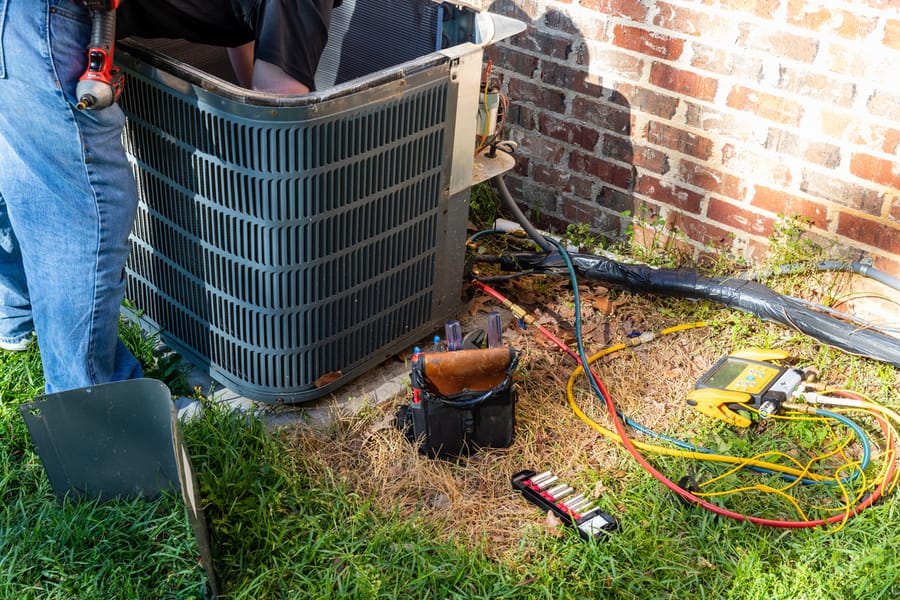
Outdoor HVAC equipment still plays an important role during winter, especially for heat pumps and systems that rely on outdoor airflow. Texas homeowners often overlook outdoor units during cooler months, but winter is the perfect time to ensure these components are protected and operating properly.
Clear Debris Around Outdoor Units
Leaves, dirt, grass clippings, and other debris can accumulate around outdoor units during fall and early winter. This buildup can restrict airflow and reduce system efficiency. Homeowners should:
-
Remove leaves and debris from around the unit
-
Maintain at least two feet of clearance on all sides
-
Check for signs of nesting animals
Proper airflow allows the system to operate efficiently during heating cycles and prevents unnecessary strain.
Protecting Heat Pumps During Cold Weather
Heat pumps are common in Texas and rely on outdoor components even in winter. During cold snaps, it is important to ensure the unit remains clear of ice and debris. Do not cover the entire unit, as this can trap moisture and cause damage. Instead, focus on keeping the surrounding area clean and unobstructed.
Why Airflow Around the Unit Still Matters in Winter
Even when temperatures are mild, outdoor HVAC units need adequate airflow to function correctly. Restricted airflow can lead to:
-
Reduced heating performance
-
Increased energy use
-
Frozen coils during cold weather
-
Long-term system wear
Inspecting outdoor components during winter helps prevent small issues from becoming costly repairs later.
Seal Air Leaks and Improve Insulation
Air leaks and inadequate insulation can undo even the best HVAC performance. During winter, these issues force your system to work harder to maintain comfort, leading to higher energy bills and unnecessary wear. Addressing them now helps ensure a smoother transition into both colder weather and the upcoming cooling season.
Common Air Leak Locations in Texas Homes
Many Texas homes lose heated air through small gaps and cracks. Common trouble spots include:
-
Doors and window frames
-
Attic access points
-
Electrical outlets on exterior walls
-
Baseboards and wall penetrations
-
Duct connections and joints
Sealing these areas helps keep conditioned air inside where it belongs.
How Leaks Affect Heating and Cooling Efficiency
When warm air escapes, your HVAC system must run longer to compensate. This leads to:
-
Inconsistent indoor temperatures
-
Increased system run time
-
Higher utility bills
-
Greater strain on heating components
During winter cold snaps, air leaks make it harder for the system to recover quickly.
Simple Steps Homeowners Can Take
Texas homeowners can improve efficiency with a few straightforward steps:
-
Apply weather stripping to doors and windows
-
Use caulk to seal visible gaps
-
Add insulation where accessible, especially in attics
-
Schedule a professional duct inspection if leaks are suspected
Reducing air loss during winter improves comfort now and helps your HVAC system perform better when cooling season returns.
Schedule Winter HVAC Maintenance
Winter is one of the best times for Texas homeowners to schedule HVAC maintenance. With lighter system use compared to summer, this season allows technicians to catch small issues early and prepare your system for the heavy cooling demand ahead.
What a Winter Tune-Up Includes
A professional winter HVAC maintenance visit typically covers:
-
Inspecting heating components and safety controls
-
Checking electrical connections and system performance
-
Cleaning critical parts such as burners and coils
-
Testing airflow and thermostat accuracy
-
Identifying early signs of wear or inefficiency
These steps help ensure the system operates safely and efficiently during cold snaps.
How Maintenance Prevents Breakdowns and Extends System Life
Routine maintenance reduces the risk of unexpected failures by addressing problems before they worsen. In Texas, where systems shift quickly from heating to cooling, maintenance helps:
-
Prevent mid-season breakdowns
-
Reduce emergency repair calls
-
Improve overall system reliability
-
Extend the lifespan of HVAC equipment
Well maintained systems handle seasonal transitions more smoothly and efficiently.
Preparing Your System for Spring Cooling Demand
Winter maintenance does more than support heating performance. It also prepares your HVAC system for spring and summer by ensuring:
-
Airflow is unrestricted
-
Electrical components are functioning properly
-
The system can switch seamlessly back to cooling mode
Scheduling maintenance now helps you avoid performance issues when temperatures rise and cooling demand increases.
Prepare Your HVAC System for Winter and Beyond
Winter may be short in Texas, but it plays a critical role in your HVAC system’s overall performance. By completing essential winter tasks such as replacing air filters, testing your heating system, checking thermostat settings, inspecting outdoor components, sealing air leaks, and scheduling maintenance, you help protect your equipment from unnecessary wear and sudden breakdowns.
Taking a proactive approach during the winter months ensures your system can handle unexpected cold fronts while also preparing it for the heavy cooling demands of spring and summer. Small efforts now can lead to improved efficiency, lower energy bills, and fewer emergency repairs throughout the year.
For professional winter HVAC maintenance and expert guidance tailored to Texas homes, Trilogy AC Cooling and Heating is here to help. Our experienced technicians understand the unique challenges of Texas weather and provide reliable service to keep your home comfortable year round.
Schedule your winter HVAC service today and enjoy a smooth, stress free transition through every season.



Hire The Trilogy AC Professionals
Get top-notch service for your home today. We have the skills and expertise to handle your AC, heating, and air quality needs in a timely and professional manner.